
Key Takeaways
- Speed target: The THIM app aims to cut immigration counter wait times to under 40 seconds per person, with an official launch set for August 2026.
- Technology used: The system relies on AI-powered OCR recognition and electronic identity verification (e-KYC), developed by the Royal Thai Police in partnership with Digital Identity Co. on AWS infrastructure.
- Current phase: Piloted since June 6, 2026, supporting 4 languages ahead of an expansion to 15 by October 1, 2026, with use still optional alongside the traditional TDAC portal.
Pilot phase begins
Thailand's Immigration Bureau launched the trial of THIM (Thailand Immigration Management) on June 6, 2026, an app designed to gradually replace the process of filling out the Thailand Digital Arrival Card (TDAC). The official rollout is scheduled for August 2026. The stated goal is to bring border checkpoint processing time down to under 40 seconds per person.

The previous web-based platform had already processed over 10 million arrivals but required travelers to manually re-enter all their data every time they entered the country. THIM introduces permanent storage of a traveler's personal information, so that subsequent trips only require updating flight, accommodation, and departure date details.

Processing times and border checks
For travelers already registered in the system, the process now takes under a minute. First-time users need less than three minutes. On-arrival checks no longer require a separate QR code: data syncs directly with the immigration system's database and is verified by officers scanning the physical passport.
Registration process
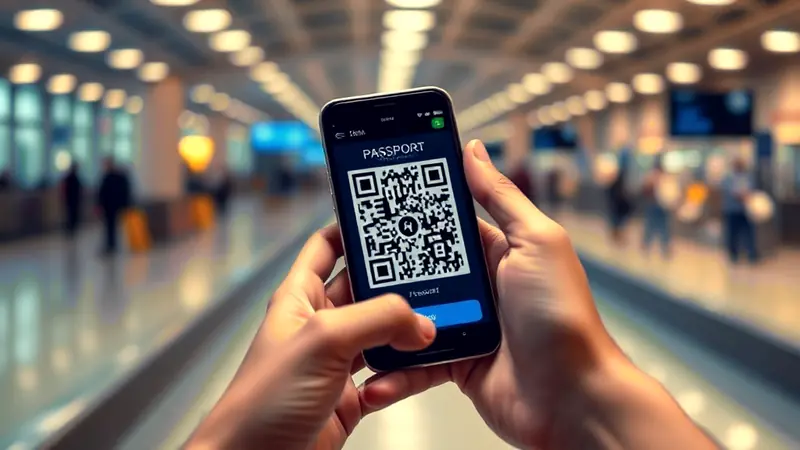
The app is free to download on the App Store and Google Play Store, with hundreds of thousands of downloads already recorded during the pilot phase. The process involves photographing the passport, read through AI-based OCR technology, followed by e-KYC verification that cross-checks the scanned data against the official document. Users then enter their accommodation address, flight details, and purpose of entry before submitting, which automatically generates the TDAC. Group registration for up to 10 travelers at once is also supported.
Current features and future developments
During the pilot phase, THIM covers digital arrival card processing, group request management, trip history viewing, and automatic notifications. The Immigration Bureau has stated its intention to turn the app into a single platform for all administrative procedures involving foreign residents or those in transit through the country.
Features currently in development, pending official confirmation, include appointment booking with immigration officers, electronic visa extensions, online document submission, certificate requests, mandatory 90-day reporting for long-term residents, and a direct, round-the-clock contact channel with the Tourist Police.

Available languages and data security
The pilot version supports four languages: English, Russian, Japanese, and Chinese. An expansion to 15 additional languages is planned for October 1, 2026. The app was developed by the Royal Thai Police in partnership with Digital Identity Co., hosted on Amazon Web Services infrastructure in the Bangkok region, with data protected by end-to-end encryption and stored under Thai jurisdiction. The Immigration Bureau has flagged the existence of third-party sites attempting to charge fictitious fees for TDAC completion, labeling them as fraud attempts: the app remains free across all its functions.
What stays the same for foreign travelers
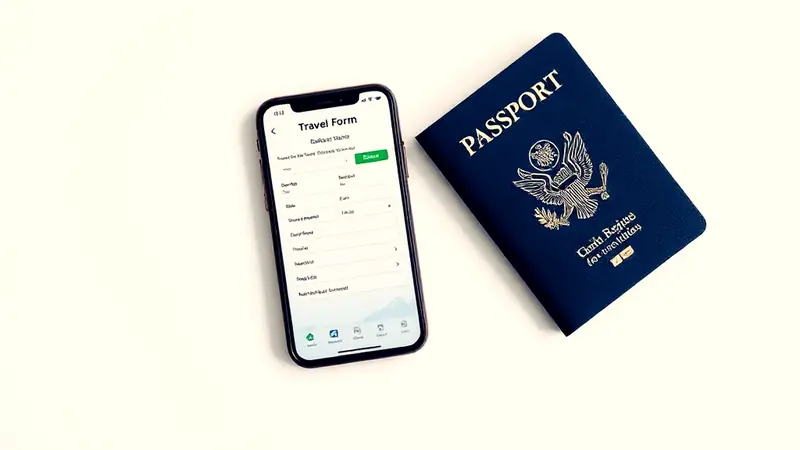
THIM does not replace visa applications, which remain a separate, mandatory process for those who need one. Filling out the TDAC remains compulsory for all non-Thai citizens entering by air, land, or sea. During the pilot phase, the traditional web portal remains active in parallel, but with the official August rollout, the Immigration Bureau expects a gradual shift toward the app, with possible mandatory use in the following months.