Key Takeaways
- Market growth: Thailand's luxury sector is valued at $2.72 billion in 2026, with projections reaching $3.74 billion by 2031, growing at an annual rate of 6.6%.
- Buying behavior: 89% of young Thai consumers purchased a luxury product in the past year, with an average transaction value of 42,250 baht.
- Key trend: The rise of Accessible Luxury, generating triple the revenue of traditional luxury brands, exemplified by cases like Loewe's Songkran campaign.
The Market Numbers
Thailand's luxury goods market is now valued at $2.72 billion. This marks growth from $2.55 billion in 2025. Projections point to a value of $3.74 billion by 2031, reflecting an annual growth rate of 6.6%.

Behind these figures is a generation that has rewritten the rules of consumption. A study conducted by Stamina Asia and Marketbuzzz, in partnership with the Franco-Thai Chamber of Commerce, captures this shift through concrete data.
The Consumer Profile
89% of young Thai consumers aged 20 to 35 purchased at least one luxury item in the past twelve months. The average transaction stands at 42,250 baht. 93% of these consumers describe themselves as optimistic about their personal future. Only 56% extend that same optimism to the country's future.
This gap between individual confidence and collective confidence defines the new luxury consumer. They don't buy to project a social image. They buy to affirm a personal identity, independent of external context.

From Logo to Experience
96% of respondents consider excellent after-sales service essential. 95% prioritize unique, memorable experiences. 92% still associate luxury with quality and trust, but how a product is experienced now carries as much weight as the product itself.
Discretionary spending by Thai Gen Z on experiences rose to 56% in 2024, up from 45% in 2023. Globally, 65% of Gen Z say they travel more frequently for leisure. Luxury brands are responding by integrating food, wellness, and cultural elements into retail spaces. The product alone is no longer enough. It needs a narrative context the consumer can step into.
Loewe and the Local Language
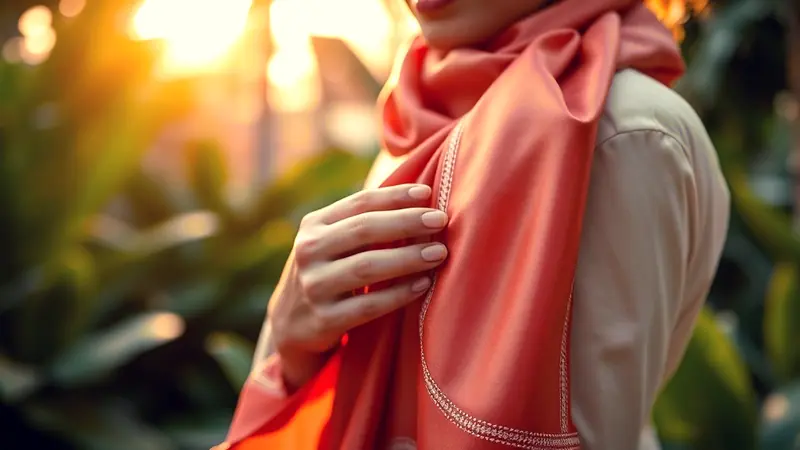
Loewe's Songkran campaign applies this principle directly. It's the first luxury campaign dedicated to the Thai New Year. The brand created an exclusive charm inspired by Cassia fistula, the national flower. It cast well-known local faces, Baifern Pimchanok and Tay Tawan, to tell stories of homecoming.
The choice breaks from the standardized aesthetic global brands have relied on in the past. The message is clear: to be relevant in Thailand, luxury must speak the local language.
The Rise of Accessible Luxury
A survey by The 1 Insight tracks a parallel phenomenon. Brands classified as Accessible Luxury now generate combined revenue three times higher than traditional luxury brands. Consumers aged 18 to 35 account for 60% of global spending in this category.

These consumers no longer see a brand's historic prestige as the sole benchmark. They look for products that reflect a personal style. Analysts call this behavior "Smart Indulgence": indulgence that weighs a product's real value before its logo.
The Ranking of Desire
Louis Vuitton remains the most desired brand, capturing 43% of preferences. Chanel follows at 38%, and Gucci at 33%. The historic dominance of these names is no longer guaranteed. Today's Thai consumer evaluates every brand on different criteria: authenticity, transparency, and the ability to create memorable moments.
80% of Gen Z say they're exposed to a higher volume of advertising than any previous generation. In this saturated communication landscape, the brands that survive are the ones able to stand out through genuine content, not mere repetition of the logo.
What to Expect
Thailand's luxury market isn't shrinking. It's redefining the criteria by which a product's value is measured. Brands that continue to rely solely on historic prestige risk losing ground to those that integrate personalization, local culture, and direct experience. The growth trajectory through 2031 will depend on how many brands can follow the example set by operations like Loewe's, turning consumption into narrative.