
Key Takeaways
- Official certification: Namibia's NamibRand Nature Reserve holds International Dark Sky Reserve status, placing it among the darkest, most protected skies on the planet.
- Landmark science project: The Square Kilometre Array (SKA), a giant radio telescope network, in South Africa's Karoo region is fueling a dedicated stargazing tourism industry.
- New local jobs: The sector is creating specialized roles for astronomy guides and technical staff across Kenya, Namibia and South Africa.
Darkness as the Main Attraction
Forget the same overexposed safari shots you've seen a thousand times. Across Namibia, Kenya and South Africa, a new travel niche has emerged built entirely around the absence of light. Astro-tourism, traveling specifically to view the night sky under near-total darkness, is gaining serious momentum, drawing travelers who want something beyond the crowded, well-worn paths of conventional tourism.
Three Countries, Three Approaches
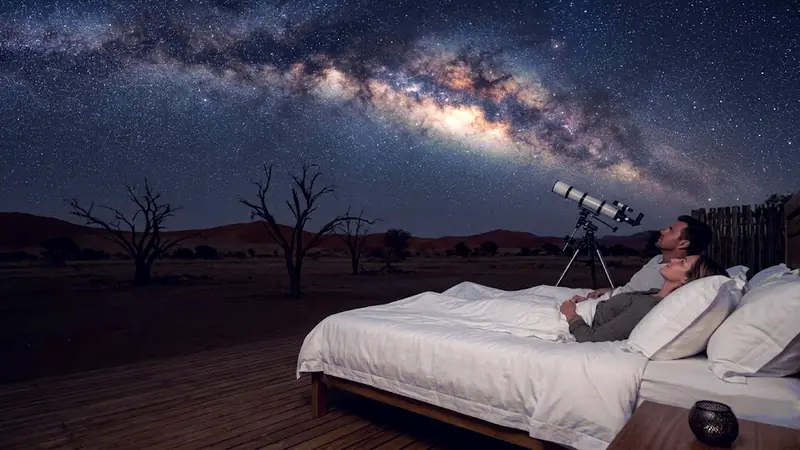
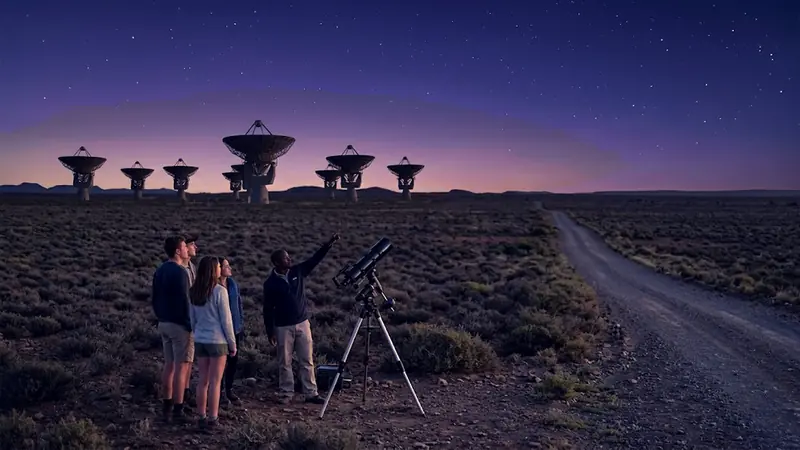
Namibia leads the charge with the NamibRand Nature Reserve, an official International Dark Sky Reserve, where lodges offer professional-grade telescopes and open-air beds positioned so guests can sleep beneath the Milky Way itself. Kenya answers with ventures in the Chalbi Desert and its northern protected areas, blending classic daytime safaris with nighttime sky-watching sessions led by locally trained experts. South Africa plays the science card: the Karoo region, home to the Square Kilometre Array (SKA) project, has spawned an entire ecosystem of guesthouses and specialized tour operators pairing astronomy education with immersive night-sky experiences.
A Model Rewriting the Rules
This isn't just spectacle for tourists. The phenomenon is generating skilled jobs for local guides and astronomy enthusiasts, while simultaneously pushing stricter policies against light pollution. The travelers responding to this trend skew young, hyperconnected and environmentally conscious, for this demographic, Africa's night sky has become as sought-after a draw as the continent's postcard landscapes have always been.