Key Points
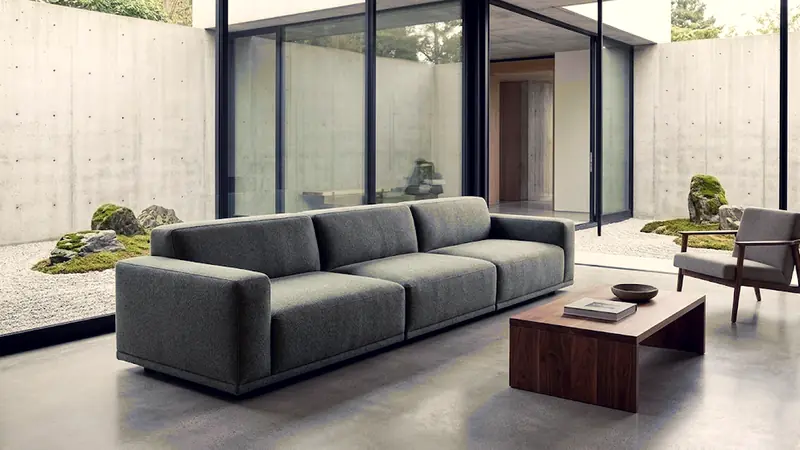
- Japanese Metabolism reimagined: Lawson Fenning launches Bosque, a low-profile seating collection inspired by the Japanese architectural movement of the 1960s.
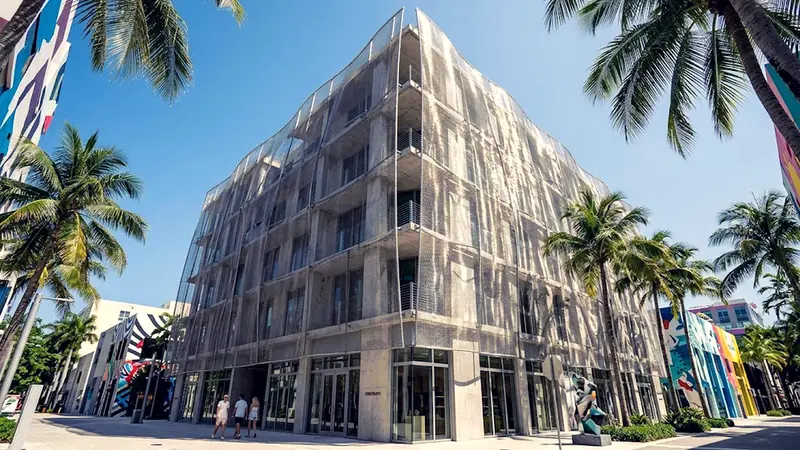
- Snøhetta in Miami: The renowned international studio signs off on Sweetbird North in the Miami Design District, featuring a stainless steel mesh cladding as its defining architectural element.
- The conscious living market: From Dorset to Thailand, 2026 cements the global trend toward architectures that blend local cultural identity with energy sustainability.
The design world waits for no one
June 24, 2026, and the architecture and interior design sector isn't even taking a summer break. Four stories, four latitudes, one single message bouncing from Los Angeles to Miami, from rural Dorset all the way to Bangkok: contemporary design is no longer just about form — it's a statement of intent. If you have nothing to say, you'd better stay home.
Bosque: when 1960s Japan meets an American sofa
Let's start with the most tangible thing — the one you actually sit on. California-based studio Lawson Fenning has unveiled Bosque, a seating collection that isn't afraid to look back in order to move forward. The declared inspiration is Japanese Metabolism, that visionary architectural movement which, in the 1960s, imagined cities as living organisms — modular, in a state of constant organic growth. It's a weighty intellectual legacy, one that Lawson Fenning has chosen to translate into sofas and armchairs with a low, grounded profile, almost anchored to the floor like roots.
The result is a range of seating that communicates visual stability without sacrificing a certain aesthetic tension. The horizontal profile is the undisputed protagonist: no towering backrests, no structures that impose themselves on the space. Bosque wants to inhabit a room like a natural element, not like a piece of furniture screaming for attention. In a high-end furniture market increasingly crowded with loud, over-decorated proposals, this choice of restraint has the feel of a smart move. Lawson Fenning knows that quiet luxury sells, and it also knows how to frame it with a cultural reference refined enough to make an impression on the mood boards of interior designers the world over.
Snøhetta redesigns Miami, one metre of mesh at a time
If Los Angeles plays the card of refined seating, Miami responds with concrete, steel and urban ambition. Snøhetta, the Oslo and New York-based studio behind works such as the Oslo Opera House and the National September 11 Memorial Museum Pavilion, has unveiled Sweetbird North, a mixed-use building destined for the Miami Design District — one of the most closely watched neighbourhoods in the global contemporary architecture scene.
The design choice making headlines is the stainless steel mesh cladding, a metallic skin that wraps the building and creates a shifting visual effect depending on the light and the angle of observation. This is not merely an aesthetic exercise: the mesh filters direct sunlight, responds to the climatic demands of a city like Miami, and generates a façade that engages with its context without blending into it. The Miami Design District has already seen major names pass through, but Snøhetta brings a Nordic architectural grammar into a subtropical setting, and the cultural friction is precisely the point. The mixed-use building — residential and commercial — also responds to the demographic and real estate pressure of a district that has seen per-square-metre prices rise sharply in recent years. Sweetbird North is architecture, but it is also an investment that speaks the language of the market.
James Bell and the self-sufficient house in Dorset
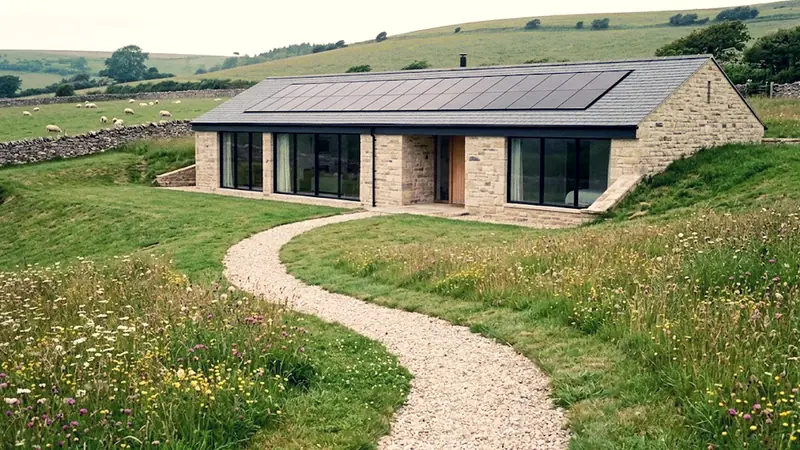
On the other side of the Atlantic, in Dorset — a county in south-west England of green hills and limestone — architect James Bell has built something more personal and perhaps more radical. A country house for his own family, designed to be energy self-sufficient, built with local stone and integrated with solar panels, striking a balance between vernacular building language and contemporary design principles.
Bell's project is neither an ideological manifesto nor a technical demonstration for its own sake. It is a residence that works, that breathes within the surrounding landscape without pretending to be something it is not. The use of local stone is not nostalgia — it is short-supply-chain thinking applied to construction, a reduction of the environmental impact associated with transporting materials, and a coherence with the genius loci of the place. At a time when the debate around sustainable living risks remaining confined to glossy magazines without ever touching the ground, a house like this one in Dorset has the merit of being real, inhabited, lived in.
Aukra Design: Thailand telling its story through space
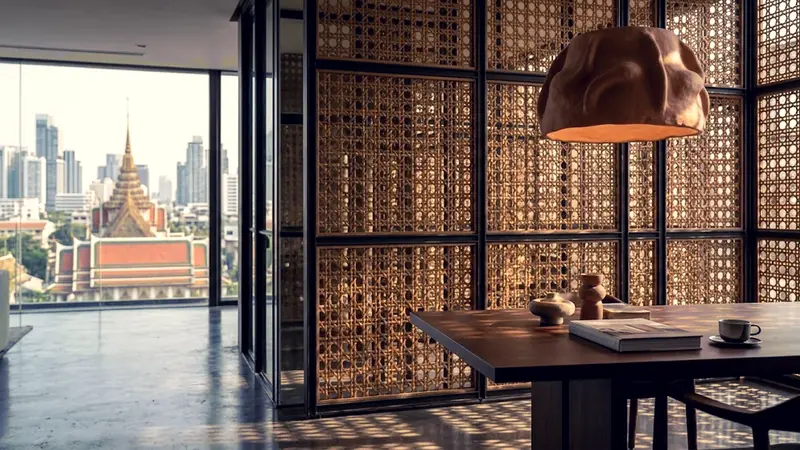
We close in Bangkok, where studio Aukra Design is working on something that the West still struggles to frame with precision: the construction of a contemporary aesthetic identity rooted in Thai artisanal tradition. This is not folklore applied to interior design, nor exoticism crafted for the international market. Aukra Design integrates Thai craft techniques, materials and cultural references into spaces that have a voice of their own — a recognisable narrative that needs no didactic explanation to communicate.
In an Asian design landscape increasingly dominated by studios looking westward for aesthetic validation, Aukra's direction is against the grain, and all the more interesting for it. The luxury interior design market in South-East Asia is worth billions and grows year on year: by 2028, according to industry projections, the region will account for more than 18% of the global high-end contract market.