Key Takeaways
- Record-breaking teleoperation: The MH3 robot can be controlled remotely from up to 1,500 km away using a VR headset and haptic gloves.
- Technology: A wheeled mobile platform paired with the Hadron Vision System, built on NVIDIA Jetson chips.
- Production: Eight prototypes are currently undergoing testing, with mass production set to begin in early 2027, targeting thousands of units within three years.
A humanoid built for hostile environments
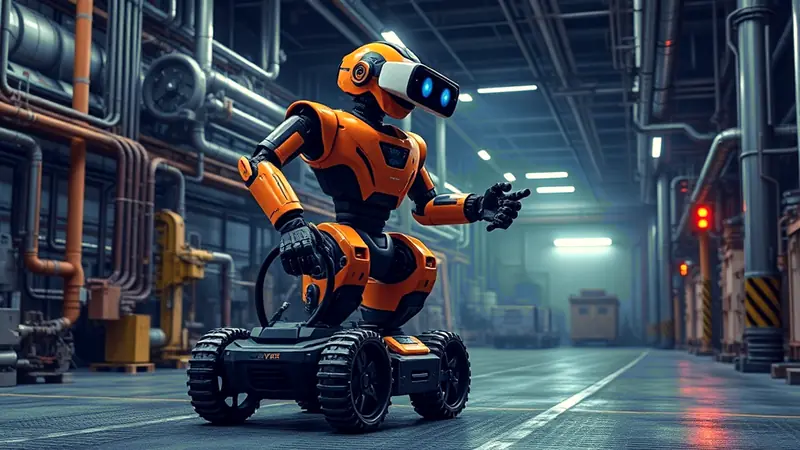
Mirsee Robotics, a Canadian company, has unveiled the MH3, the third generation of its humanoid robot designed for high-risk industrial deployment. Eight prototypes are currently undergoing operational testing. Industrial-scale production will launch in early 2027, with a target of thousands of units manufactured over the following three years.
Technical specifications
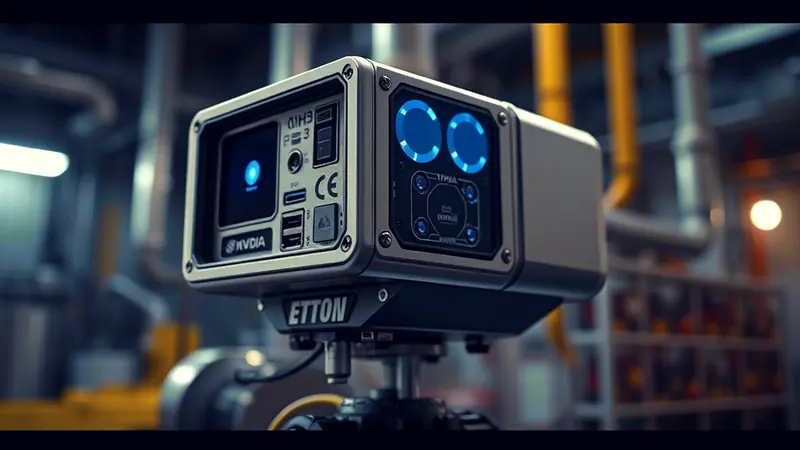
The MH3 abandons bipedal locomotion in favor of a wheeled mobile platform, a design choice that improves stability and extends battery life to a continuous 10 hours. Its teleoperation system enables remote control from up to 1,500 km away via VR headset and haptic gloves, allowing intervention in areas inaccessible to human workers. Each arm can lift a maximum load of 30 kg, distributed across 31 degrees of freedom that ensure precision in joint movement. Environmental perception is handled by the Hadron Vision System, built on NVIDIA Jetson hardware.
The target market
The project addresses a persistent labor shortage in the chemical, mining, and water treatment sectors, where the risk of exposure for human workers remains high. Mirsee is betting on specific vertical applications rather than a general-purpose humanoid, a strategy that will be directly tested against production volumes in 2027.