Key Takeaways
- Official launch: On July 7, 2026, Meta released Muse Image, the first image-generation model built entirely in-house by Meta Superintelligence Labs.
- Technology and integration: The tool is built into Meta AI, Instagram Stories, and WhatsApp, offering text-to-image generation, photo editing, and ad creative production.
- The critical issue: The tag (@) feature on public profiles is switched on by default (a passive opt-out), with no notification sent to the person whose photos are used, triggering a privacy controversy of global scale.
Meta unleashes Muse Image: the AI that borrows your face without asking
On July 7, 2026, Meta pulled the trigger. It released Muse Image to the world, its first image-generation model built entirely in-house by Meta Superintelligence Labs. This wasn't a closed-door experiment or a timid beta for a select few: it was a full-scale rollout, spread across three platforms that together command billions of eyeballs every single day. Muse debuts inside Meta AI, in Instagram Stories, and within WhatsApp chats, ready to generate images from a simple text prompt, edit existing photos, and churn out ad creative on request. Meta is pitching this as a foundational step in its race to monetize its own artificial intelligence, turning it from an experimental toy into a mass-market production tool.
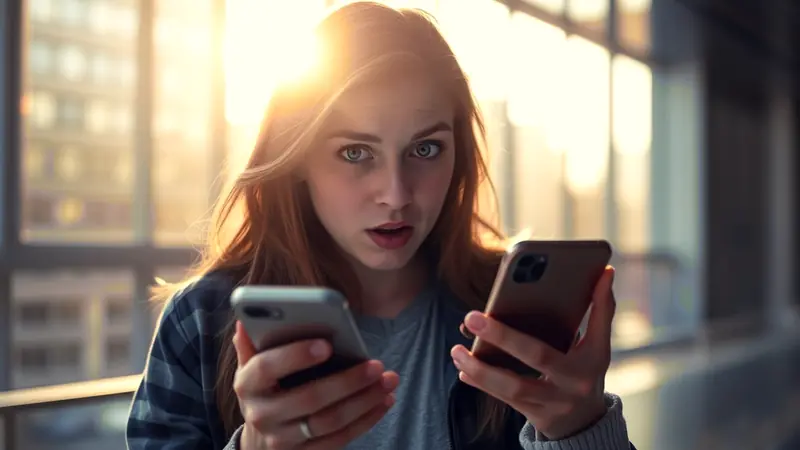
That's the press-release version. Then comes the detail that makes anyone with even a passing concern for digital privacy sit up straight.
The feature nobody asked for: tag me and you clone me
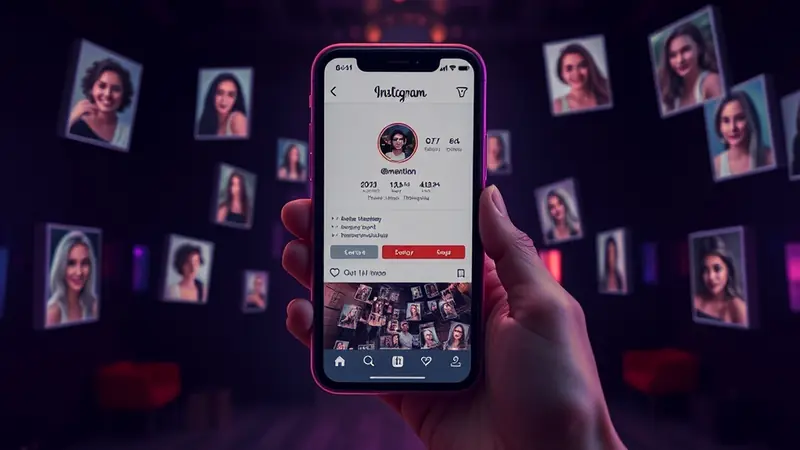
The white-hot core of Muse Image isn't the quality of the images it produces, but an Instagram integration mechanism that's as ambitious as it is unsettling. Users can, within a prompt, tag any public profile on the platform using a simple @ mention. The system then pulls that person's publicly available photos without ceremony and uses them to build new images that incorporate their likeness. A face, a body, a visual identity lifted from a public archive and remixed into algorithmically generated output, with no filter and no human review beforehand.
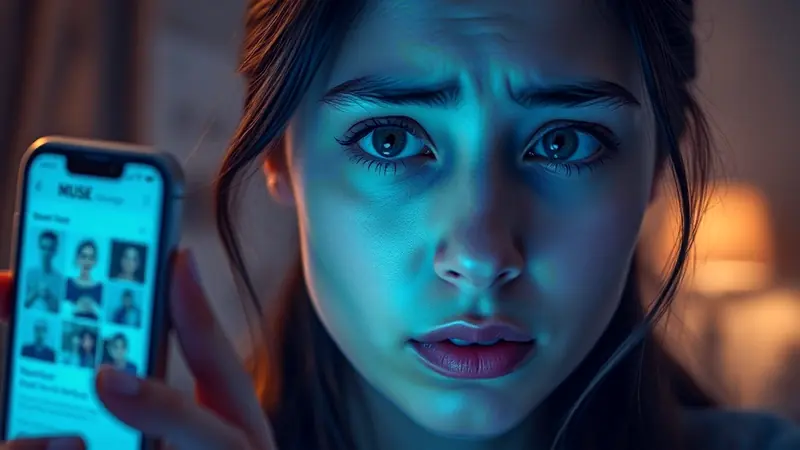
And here's the twist that turns this into something genuinely toxic: Meta decided to switch this feature on by default for every public account. It's not an option you discover and consciously enable. It's already active. Anyone with a public Instagram profile is, barring manual intervention, raw material ready for use by whoever types their username into a generative prompt.
Zero notifications, zero consent: the transparency black hole
The sharpest criticism raining down on Meta centers precisely on the total absence of transparency in the process. If a user decides to tag someone else's profile inside Muse to generate an image, the owner of the original photos receives no notification whatsoever. No alert, no request for permission, no signal telling them their face has just been reworked by an artificial intelligence and turned into something else. The whole thing happens in complete silence, entirely off the radar of the person involved.
Meta has attempted to address the fallout with two countermeasures. The first is a system of invisible digital watermarks, designed to permanently certify that a given image was AI-generated rather than captured by a real camera. The second is an opt-out option, letting users manually disable the possibility of their profile being used as a source for Muse Image.
The problem, however, is structural and lies in the very logic Meta chose to build. A passive opt-out system means protecting your own likeness depends entirely on individual initiative: anyone who doesn't dig through settings, anyone who doesn't know this feature exists, anyone who simply lacks the time or the know-how to turn it off, stays exposed without ever realizing it. The difference from an active opt-in mechanism, where the user would have to explicitly authorize the use of their own photos, is enormous in terms of digital rights. In the first case, protection is the implicit default and consent is granted automatically; in the second, exposure is the standard condition and protection has to be actively sought out.
Ghost images: what's done is done
There's one final piece that complicates the picture even further. Even if a user, after discovering the feature, decides to switch it off through the opt-out option, images already generated beforehand aren't deleted. They remain out there, existing, potentially shared elsewhere, regardless of any later decision to revoke one's profile as a source. Once the damage is done, it can't simply be undone with a click in the settings menu.

This detail turns the entire episode into a textbook case study on the right to one's own image in the age of generative artificial intelligence. Meta now has to answer uncomfortable questions about how it reconciles its ambition to make Muse Image a mass-market commercial tool with the basic protections that should accompany any unauthorized use of someone else's visual identity. The invisible watermark certifies an image's artificial origin, but it doesn't solve the problem upstream: consent that was never truly requested, and oversight that always arrives one step after the fact.