Key Takeaways
- Public Beta Rollout: On July 13, 2026, Apple pushed out iOS 27, iPadOS 27, macOS 27 "Golden Gate," and watchOS 27, with Siri AI serving as the architectural core of the release.
- Fragmented Deployment: The Siri AI module currently works only in English and remains excluded from iOS 27/iPadOS 27 in the EU due to Digital Markets Act constraints.
- Performance Benchmarks: Apple claims speed gains of up to 30% in app launches, 70% in photo gallery rendering, and 80% in AirDrop transfers.
Rebuilding the Siri Stack
Apple closes out a two-year development cycle first teased at WWDC 2024 with the release of Siri AI. The voice assistant sheds its old identity as a system of discrete commands and becomes an infrastructural layer running through the entire operating system. The architecture is built on Apple Intelligence and folds in contextual access to messages, email, and photos, along with the ability to execute multi-step actions inside third-party apps. The system also packs in a "world knowledge" module for general queries and a "screen awareness" layer that lets Siri interact directly with whatever's on the display.
Standalone App Deployment
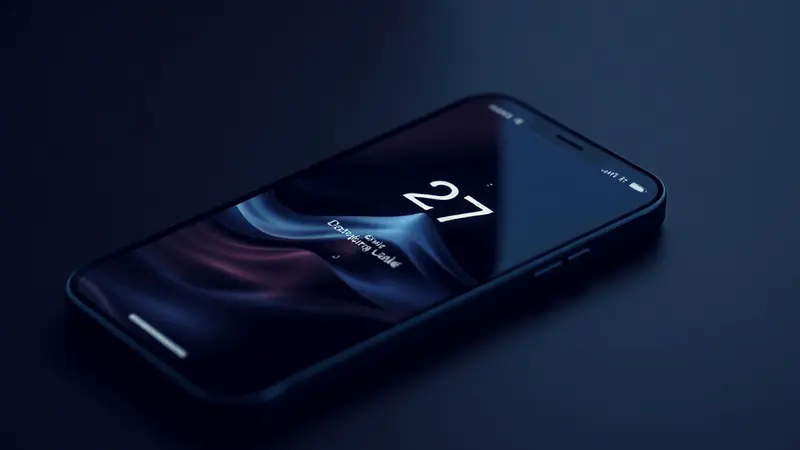
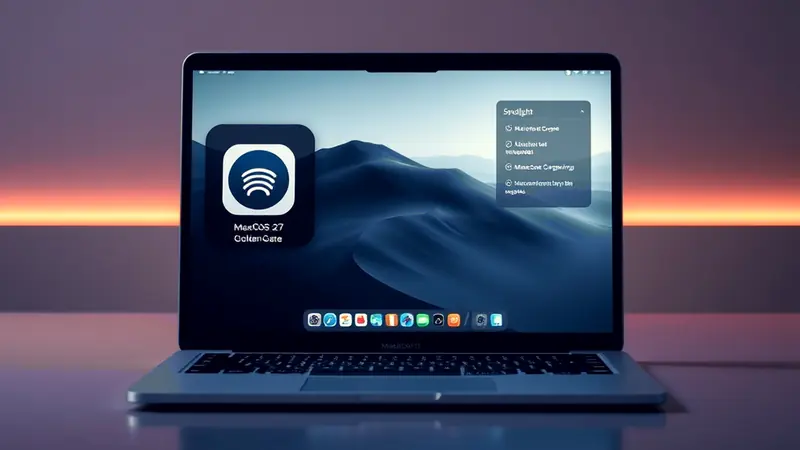
This architectural overhaul comes with a distinct product output: for the first time, Siri ships as a standalone app, positioned to compete directly with conversational interfaces already established on the market. Cross-device syncing through iCloud keeps sessions continuous between Mac and iPhone. The interface has been redesigned from the ground up: on devices with Dynamic Island, interactions now appear at the top of the screen with a dark theme, while on macOS, Siri integrates through Spotlight with new monochrome iconography. A camera-based mode has also been added, capable of turning visual input — a physical flyer, for instance — into an automated calendar event.
Performance Metrics and Hardware Requirements
Numbers released by Apple point to measurable system-wide efficiency gains: app launches up to 30% faster, photo gallery rendering up to 70% quicker, and AirDrop throughput boosted by as much as 80%. The public build is derived from the third developer beta, which was already flagged as stable during internal testing. Hardware access remains tightly gated: compatibility requires iPhone 16 or later, iPhone 15 Pro/Pro Max, iPads with an M1 chip or newer, Macs with M1 or newer, and Apple Vision Pro. That cutoff shuts out the entire installed base running pre-M1 or pre-A18 silicon, drawing a hard hardware line for access to the new AI stack.
Regulatory Fragmentation: The DMA Problem
The rollout carries a built-in geographic split. The Digital Markets Act forces Apple to exclude Siri AI from iOS 27 and iPadOS 27 for users registered in the European Union. Access to the feature in that market stays limited to macOS 27 and visionOS 27, creating a functional segmentation of the product based on platform and jurisdiction rather than device hardware capability.

Market Validation
Early independent reviews confirm a perceived leap in quality. David Nield of Gizmodo, after a month of testing, describes the experience as one that makes going back to how he used his device before feel impossible. The emerging consensus in tech press converges on a single point: Apple has finally closed the gap between promise and working product, shifting the assistant from an accessory feature into a structural component of the operating experience across the entire ecosystem.