Key Takeaways
- Margin reversal: Renault confirms positive margins on its compact electric models (R5, R4, Twingo) that outperform larger segments such as Mégane and Scenic.
- The R5-R4-Twingo trio: R5 E-Tech is on track for 200,000 units produced in 2026, with European growth of 35.6% over the first five months of the year; the Twingo E-Tech runs an 82hp motor paired with a 27.5kWh LFP battery.
- Structural constraint: Renault has capped battery-cell costs with supplier Verkor, rejecting premiums above 30% versus market rate, while pushing Brussels for a ten-year regulatory freeze.
Flipping the Margin-to-Size Paradigm
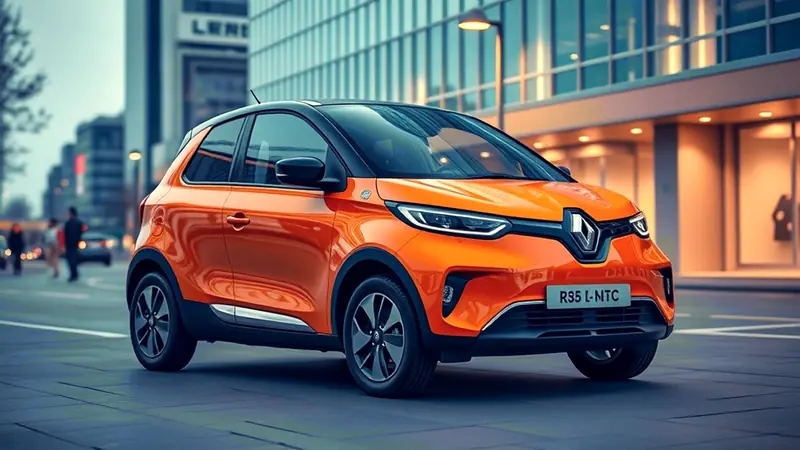
François Provost, CEO of Renault, has publicly dismantled one of the foundational assumptions of the electrified auto industry. In an interview with Les Echos, Provost confirmed that the margins generated by the R5, R4 and Twingo now exceed those produced by the group's larger electric models, Mégane and Scenic included. The figure overturns the linear correlation between vehicle size and profitability — a correlation on which most European manufacturers have built their electrification roadmaps over the past five years.
The statement isn't a one-off. Provost has set a precise timeline: price parity between electric and hybrid models by 2030, while maintaining what he calls a "normal margin." Hitting that target hinges on structurally compressing industrial costs, not on cross-subsidizing through premium models.
The Trio: Volumes and Growth Trajectories
The R5 E-Tech, launched in late 2024, is the centerpiece of Renault's case. Production volume for 2026 is expected to top 200,000 units. In France, registrations since January have already passed 21,000, while aggregate European figures for the first five months of the year show a 35.6% jump compared to the same period in 2025. Rising fuel prices have acted as a demand accelerator, shifting market share toward the compact electric segment.
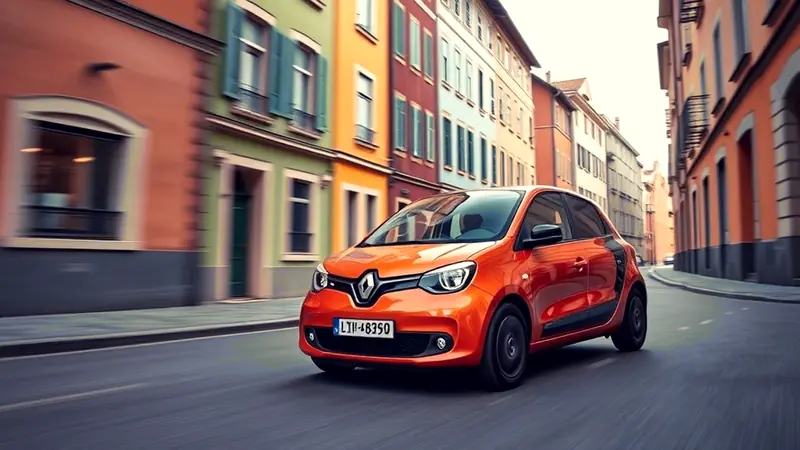
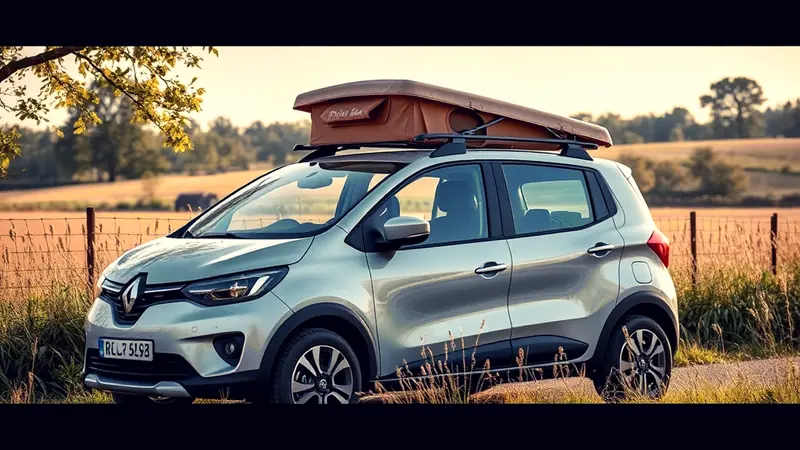
The R4 E-Tech serves as a functional extension of the lineup, built around space and versatility, with dedicated variants such as the "Plein Sud" fabric-roof edition. The Twingo E-Tech rounds out the trio as the entry-level city car, fitted with an 82hp motor and a 27.5kWh LFP battery pack — a technical configuration aimed at cutting cost per installed kWh rather than maximizing range.
The Cost Lever: Batteries and Regulation
The margin structure Provost describes rests on two distinct operational levers. The first concerns the battery supply chain: Renault backs French supplier Verkor industrially, but Provost has drawn a hard line, refusing to accept cells priced more than 30% above the market benchmark. The constraint signals that strategic support for a domestic supplier isn't unconditional — it's tied to the component's absolute competitiveness.
The second lever is regulatory. Provost has called for a ten-year freeze on new industry regulations, arguing that a significant share of the group's engineering capacity is currently absorbed by compliance work rather than cost-reduction efforts. He described the 2035 target of 100% electric sales as "unreachable" without regulatory flexibility.
A System-Wide Implication
Renault's case redraws the competitive boundaries of European electrification: profitability is no longer a function of range positioning, but of cell-cost discipline, platform simplification and production scale-up speed. If the R5-R4-Twingo model sustains the growth recorded in early 2026, competitive pressure will shift onto manufacturers still anchored to the margin-follows-size logic, forcing them into an accelerated overhaul of their compact product plans.