Key Takeaways
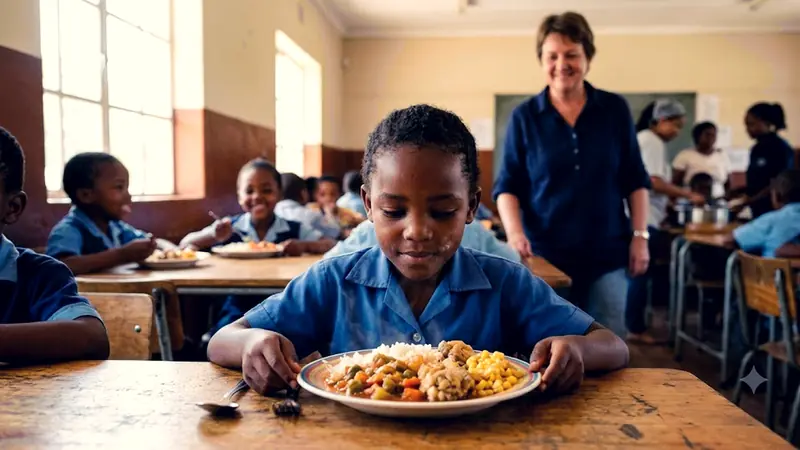
- The scale of the operation: The Isabelo project feeds roughly 1,800 children every day across four primary schools and several Early Learning Centres in Franschhoek, with a stated annual target of 336,980 nutritious meals in total.
- The turning point: In 2017, Margot Janse walked away from the Michelin-starred kitchen of The Tasting Room, after 22 years and a spot among the world's 50 best restaurants, to devote herself full-time to food charity.
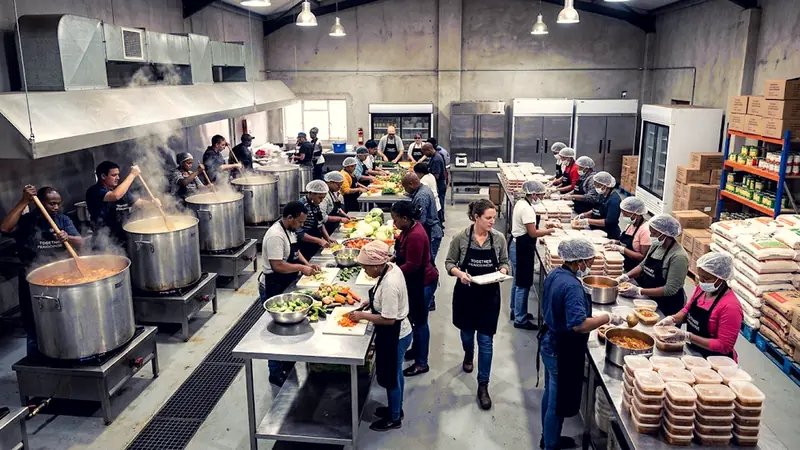
- Emergency response: During COVID-19, the Together Franschhoek network, co-coordinated by Janse, mobilised 14 community kitchens, distributing between 12,000 and 13,000 meals a week.
From Fine Dining to the Township: A Road Split in Two
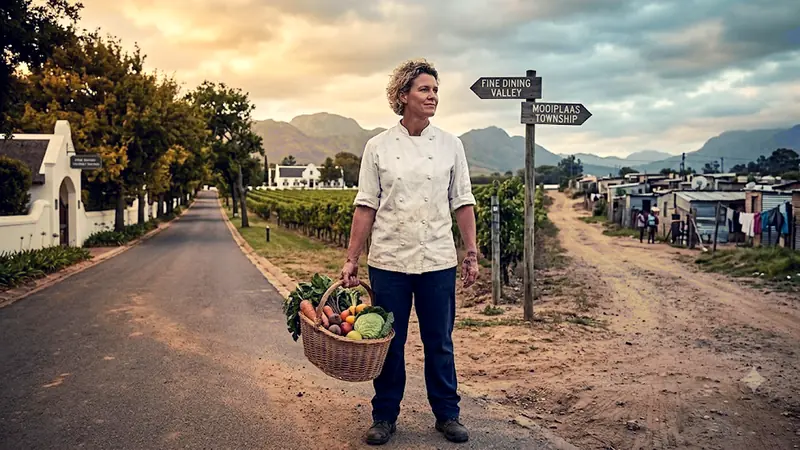
There's a chef who spent twenty years plating food for the most demanding palates on the planet, and then decided that Michelin stars, international accolades, and the title of first African woman to receive the Relais & Châteaux Grand Chef Award simply weren't enough anymore. Her name is Margot Janse, Dutch-born and South Africa-based, the culinary mind who spent two decades running The Tasting Room at Le Quartier Français in Franschhoek — a restaurant that held a steady place among the world's top 50. Her story reads almost like a film script: every morning, a fork in the road. To the left, fine dining, hand-picked ingredients, flawless service. To the right, barely a mile away, the township — raw poverty and children walking into school on empty stomachs. This isn't a metaphor. It was the actual route Janse drove every single day, and eventually she stopped looking away.
Isabelo: From Friday Muffins to a Operation Feeding Thousands
In 2009, Isabelo, Feeding Hungry Minds was born — a name that in Xhosa translates to "sharing is caring." It started small: nutrient-rich muffins for 70 children at a local nursery, baked every Friday and handed out with the direct involvement of restaurant guests. It took only months for the project to grow. By September 2009, Tuesday lunches had been added. By February 2010, Wednesday omelettes. By March of that same year, the nursery was being fed on every single school day. January 2011 extended the initiative to two more nurseries; January 2012 saw it explode into two primary schools serving 700 breakfasts daily. This was no longer a well-meaning gesture from an acclaimed chef — it had become an organisational machine, and the numbers kept climbing year after year.
The Clean Break of 2017
The turning point came when Le Quartier Français changed ownership. After 22 years behind the same stove, Janse didn't go hunting for another prestigious kitchen. She walked away from it all and "adopted" Isabelo, turning it into her sole mission. From there, the expansion became structural: today the project covers four primary schools in Franschhoek plus several early childhood centres, providing breakfast and lunch to roughly 1,500 children by the most conservative estimates — a figure that climbs to 1,800 according to the latest data. The annual target the project has set for itself is blunt in its concreteness: 40,600 hot meals, 296,380 healthy breakfasts, for a combined total of 336,980 nutritious meals a year.
Pandemic, Real Hunger, and Community Kitchens
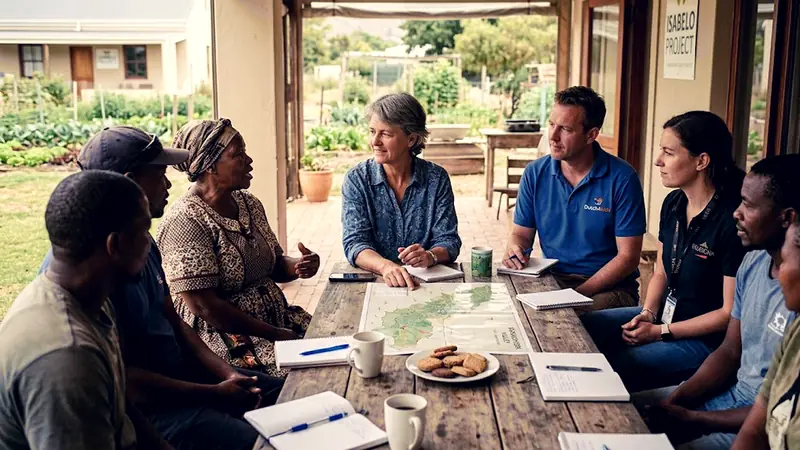
In April 2020, COVID-19 brought South Africa to a standstill. Schools shut their doors, and thousands of tourism and hospitality workers across Franschhoek lost their income overnight. Janse didn't wait for instructions. Alongside other chefs from the valley, she answered the call to "Cook for the Community" and built Together Franschhoek, a network bringing together community leaders, cooks, and volunteers to run 14 community kitchens. The result: between 12,000 and 13,000 meals served every week. Janse herself describes the shift in scale in blunt terms: "Now I'm doing business by the ton." No more Friday muffins — this was industrial logistics applied to the hunger of an entire community, with additional support from NGOs like the Pebbles Project to extend hot meals to preschool-age children as well.
A Philosophy Without Frills
Janse doesn't dress up the concept: "No child can learn on an empty stomach." She adds, without mincing words, that meals provided by the government at school are never enough, because so many children haven't eaten dinner the night before. This isn't press-release rhetoric — it's the operational foundation of the entire project. That bluntness has built a support network reaching well beyond Franschhoek. In 2018, a charity event organised by The Dutch4Kids raised enough to cover a full year of activity for 1,500 children. Companies like Valrhona have held direct partnerships with Isabelo since 2019, and Janse continues to organise charity dinners to this day — the most recent, a "Four-Handed Fine Dining" evening at Salsify in August 2025 — with all proceeds going straight back into the project.
A Model Built to Be Replicated
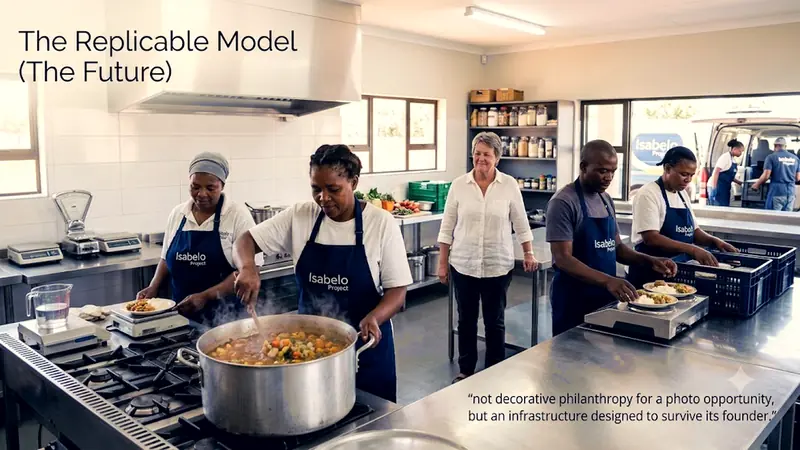
After a stint as executive chef at SAAM Restaurant in the Netherlands, Janse returned permanently to South Africa in early 2025 to focus exclusively on Isabelo. The stated goal is no longer just feeding children in Franschhoek, but building a production and distribution system that other communities can copy and eventually run entirely on their own. This isn't decorative philanthropy built for photo opportunities — it's infrastructure designed to outlast its founder. Fine dining, in this story, has become nothing more than a professional memory. The plate that truly matters today is measured in thousands of breakfasts served each morning to children who would otherwise start their day hungry.