
Key Takeaways
- World record: Japan is the only country to have met the SDG (Sustainable Development Goals) food waste target, with 4.61 million tons of certified annual waste in 2024.
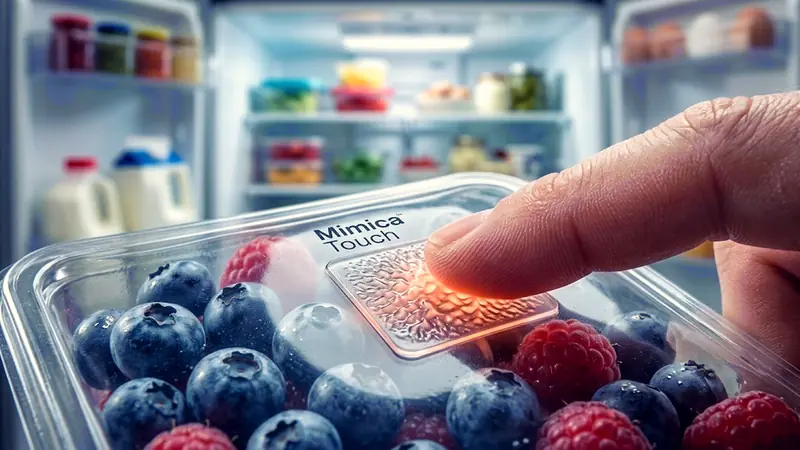
- Key technology: "Mimica Touch," a smart label replacing static expiration dates with real-time sensory feedback on actual spoilage.
- Commercial impact: CP Extra in Thailand aims to distribute 5 million meals through a digital food-banking platform that automatically matches surplus with recipients.
Food as critical infrastructure
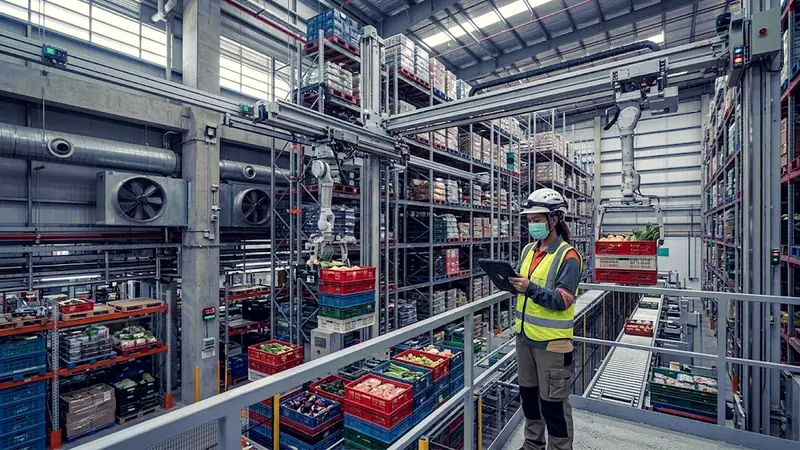
Forget the romantic image of the farmer scanning the sky for rain. In Asia, food security has become infrastructure, full stop. It's designed, monitored, and optimized with algorithms and sensors, because traditional supply chains have exposed their fragility, and no one wants to find that out the hard way when it's too late. The result is a ruthless hybrid of high technology, revived ancestral ecological practices, and government policies that leave no room for improvisation. An enterprise-grade framework applied to the plate, optimizing resources and cutting waste across the entire chain, from field to shelf.
Urban forests, coastal mangroves
Singapore has moved well past postcard-friendly vertical gardens. The city-state has rolled out full-scale urban food forests, complex ecosystems replicated within tightly constrained metropolitan spaces. This isn't decorative farming, it's a strategy for autonomy: less dependence on international market swings, more of a buffer against sudden supply disruptions. Singapore is positioning itself as a global testing ground for the next decade's food security, turning every available square meter into a green insurance policy.

Further south, in Lombok, Indonesia, the battle is playing out on the coastline. A structured mangrove reforestation project is proving just how tightly environmental protection is bound to the food stability of coastal communities. Mangroves act as a natural nursery for entire fish species, replenishing depleted fishing stocks and slowing coastal erosion. For local fishermen, that means more fish to catch and more diversified livelihoods: a circular economy model that needs no patent to be replicated elsewhere.

Japan's war on waste
If there's one country that has turned the fight against food waste into an almost military discipline, it's Japan. Updated 2024 estimates released by the country's Ministries of Agriculture and the Environment certify 4.61 million tons of annual food waste, a figure that crowns Japan as the only country in the world to have hit the SDG (Sustainable Development Goals) target on waste reduction. This isn't a sudden miracle, but the payoff of decades of targeted policy, an airtight cold chain, and strict rules on managing surplus. Authorities aren't settling, though: they're pushing to squeeze out even more distribution inefficiencies, because reaching the goal isn't the finish line, it's the new starting point.
Sensors instead of expiration dates
Backing up these goals is monitoring technology, and here the plot twist is called "Mimica Touch": a smart tactile label that delivers accurate, real-time sensory feedback on food spoilage. Gone are static expiration dates, the ones stamped on at random that trigger precautionary waste out of pure paranoia. The product speaks for itself, communicating its actual condition. Rolling out similar IoT (Internet of Things, connected sensor devices) solutions across retail chains and household consumption cuts logistical inefficiencies and extends the real shelf life of products, with direct environmental payoffs on the amount of food thrown away for no good reason.
Digital platforms and shifting demand
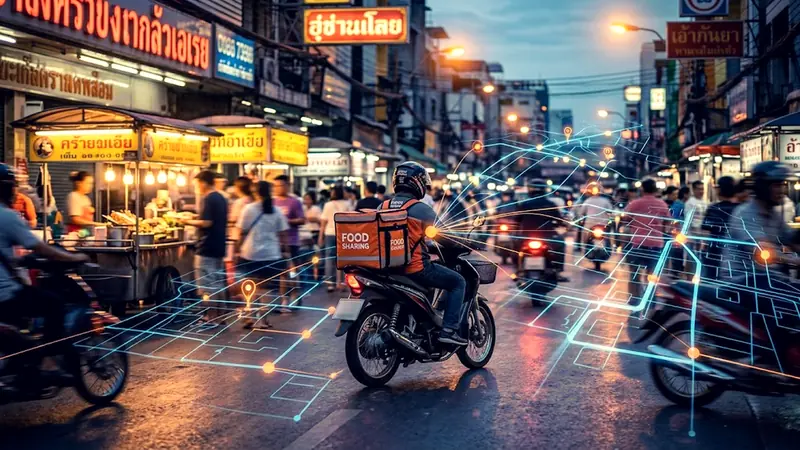
In Thailand, CP Extra has launched a "Food Sharing" project in partnership with the Ministry of Social Development, with a stated goal of distributing 5 million meals. The real story isn't surface-level generosity, it's the technological architecture behind it: a digital food-banking platform that matches suppliers' surplus with recipients' needs in real time. Allocation algorithms optimize logistics routes, prevent fresh produce from spoiling, and turn food recovery from an isolated gesture into a scalable, replicable network.
On the demand side, Vietnam is undergoing a structural shift: consumers are demanding transparent supply chains, verifiable origin certifications, and green production practices. This is no longer a niche for the enlightened few, it's market pressure forcing food and beverage companies to overhaul production standards from top to bottom. In this landscape, sustainability stops being a marketing label and becomes a genuine competitive lever.
A paradigm that waits for no one
Digital technologies, strict policy, and ecological regeneration are fusing into a single system. This is no longer a matter of isolated, standalone initiatives: it's the construction of a resilient food paradigm, built to withstand the shock of the next systemic crises, whatever shape they take. Those who stand still and watch get left out of the game.