Key Points
- Fiber and satiety: Basil seeds contain mucilage (a soluble fiber that swells in water), expanding up to 30 times their original volume on contact with water, slowing down digestion.
- Asian traditional medicine: Consumed as a refreshing drink, they are an established remedy in Ayurvedic tradition and Southeast Asian culture against heat and dehydration.
- Superfood market: Growing interest in glycemic control and gut wellness is pushing basil seeds into the premium segment of global functional foods.
The Seed Nobody Ever Told You About
There are things the wellness market consistently overlooks, and basil seeds are one of them. While the superfood industry pushes chia and flax as if they had just been discovered on Mars, across much of Asia these small black seeds have been consumed for centuries — soaked in water until they transform into a gelatinous, thick, and surprisingly effective drink. No forty-euro packaging. No influencer required.

Gut Health, Blood Sugar, and Brutal Heat
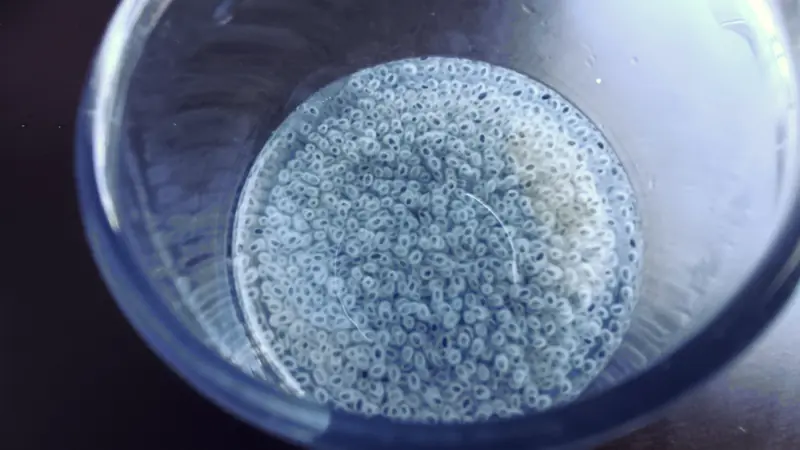
The key is mucilage (a viscous gel-like substance formed on contact with liquids). It acts as a regulator of intestinal transit (the movement of food through the digestive tract), combats constipation without pharmaceutical harshness, and, according to several studies, contributes to slowing the absorption of sugars into the bloodstream, dampening post-meal glycemic spikes. In parallel, they provide iron, magnesium, and calcium, along with flavonoids and polyphenols (plant compounds with antioxidant activity). In hot and humid climates, tradition also uses them as an anti-dehydration remedy, with a "cooling" reputation that science has not yet dismantled.
The Warning Nobody Reads
A note of caution: the high fiber content demands abundant fluid intake, otherwise digestive discomfort is far from unlikely. In cases of pregnancy, intestinal obstructions, or imminent surgical procedures, medical consultation is not a rhetorical formality — it is mandatory. Functional food is never neutral. By 2027, the global seed-based beverages segment (drinks made from soaked or processed seeds) is expected to exceed 4 billion dollars in revenue.