Key Takeaways
- State investment: Over 1.4 billion rand allocated to the Hydrogen South Africa (HySA) programme.
- Key infrastructure: Development of the Boegoebaai deep-water port, complete with a Special Economic Zone (SEZ), rail links, and desalination plants.
- Production target: A national goal of 500,000 tonnes of green hydrogen annually by 2030, backed by 10 GW of electrolysis capacity.
The Northern Cape bets big on hydrogen
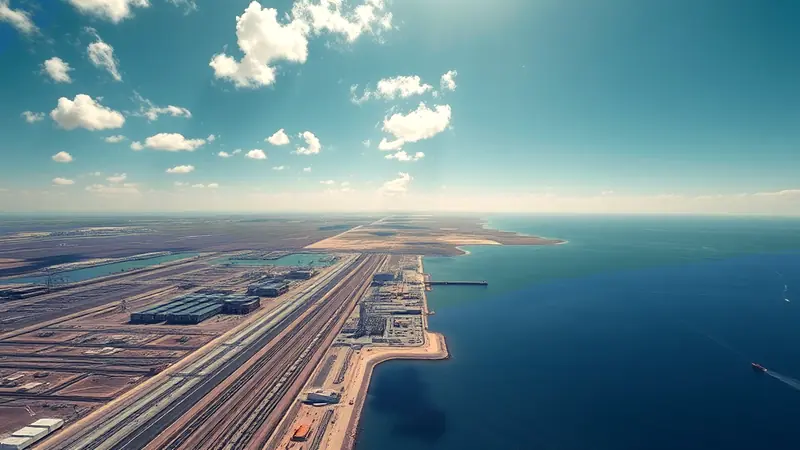
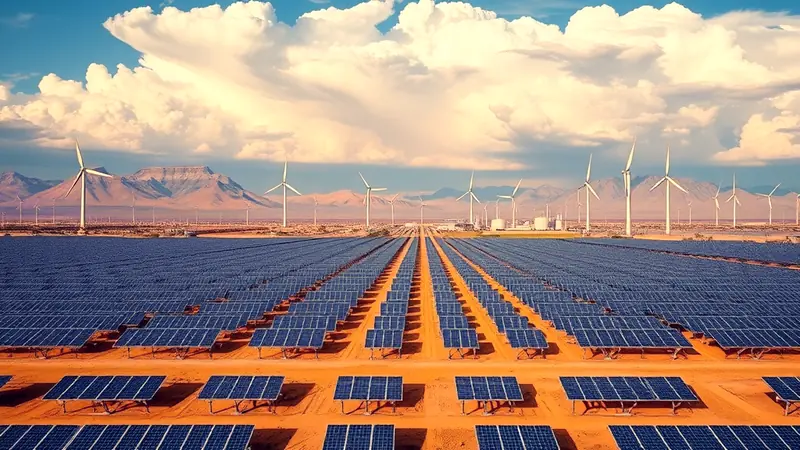
South Africa has identified the Northern Cape province as the ideal ground to build its own green hydrogen supply chain. The region combines land, sun, and wind resources in a way that makes it strategically significant for large-scale energy production. The cornerstone of this strategy is the Boegoebaai port, a deep-water facility conceived not merely as a shipping terminal but as the anchor of an entire industrial ecosystem, including a Special Economic Zone, rail networks, pipelines, and the desalination plants required to sustain production processes.
Public funding and technical training
The South African government has committed over 1.4 billion rand to the Hydrogen South Africa (HySA) programme, aiming to build a solid industrial and scientific base for export-oriented technological innovation. Alongside this, technical training programmes and international partnerships have been launched to close the specialised skills gap demanded by a sector that remains in its early stages.
Prieska and the 2030 horizon
Among the projects already underway is the Prieska Power Reserve, backed by the financial institutions KfW and IDC, with an expected production capacity of 80,000 tonnes of green ammonia per year. This facility forms part of the broader national plan, which aims to reach 500,000 tonnes of green hydrogen annually by 2030, supported by 10 GW of electrolysis capacity installed in the province alone. The Northern Cape is thus positioning itself as the driving force behind South Africa's energy transition and a potential export hub for the entire African continent.