
Key Takeaways
- A shared world record: Singapore tops the Julius Baer ranking for the third consecutive year, while the Economist Intelligence Unit places Zurich alongside it at the very top of the global index.
- The luxury market keeps growing: Singapore's sales of exclusive goods are projected to rise by 7% in 2025, reaching a total value of 13.9 billion Singapore dollars.
- Zurich climbs three spots: overtaking historically dominant hubs such as Hong Kong and London, driven by the strength of the Swiss franc and the resilience of its premium real estate sector.
Two Capitals of Excellence Under the Lens of International Rankings
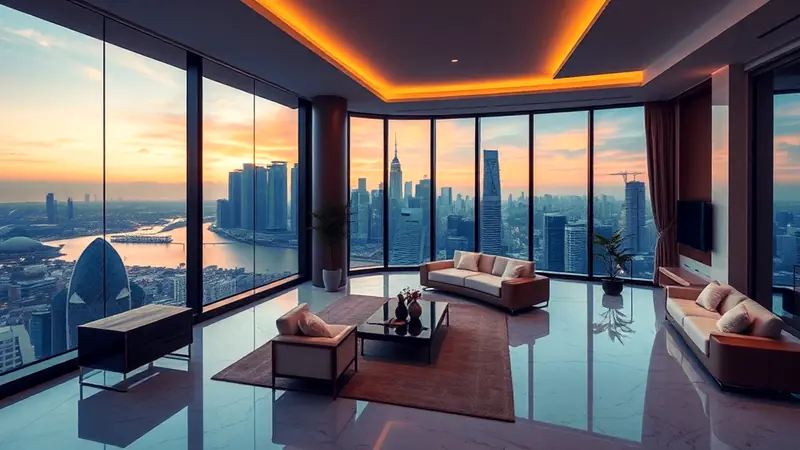
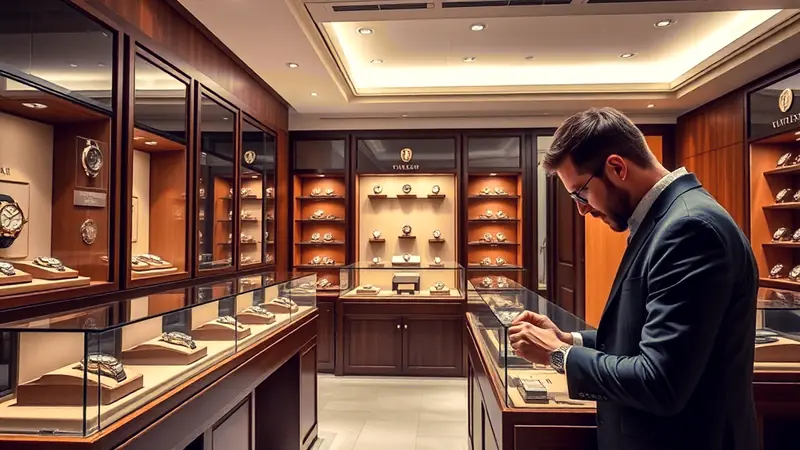
The world of luxury has its own hierarchies, its own temples, and its own annual rankings that measure not so much extravagance as solidity, exclusivity, and the ability to attract those who have already achieved wealth and simply wish to consolidate it. The Julius Baer Global Wealth and Lifestyle Report for 2025 examined twenty categories of elite goods and services, from private schools to business-class flights, from watches to Michelin-starred dining, across 25 global cities. The verdict is clear: Singapore remains the most coveted city in the world for those seeking an elite lifestyle, confirming a title it has now held for three consecutive years. London and Hong Kong round out the podium, but it is another city stealing the spotlight near the top of the rankings: Zurich.
Singapore, the City-State Without Peer in Southeast Asia
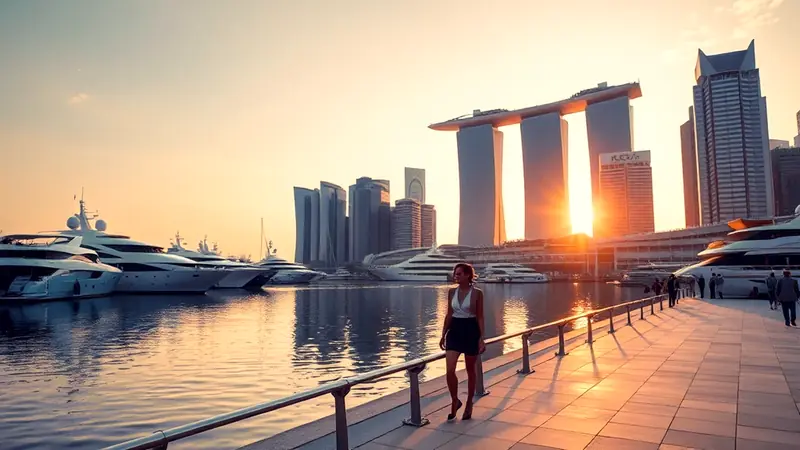
The secret behind Singapore's dominance is no mystery, but rather the result of an ecosystem built with surgical precision. Rock-solid political stability, near-zero crime rates, infrastructure that runs with the precision of a Swiss watch (fittingly enough), and a private healthcare system among the most efficient on the planet: these are the ingredients that transform the city-state into a magnet for those with capital to protect and a lifestyle to uphold. It is no coincidence that more than 240,000 millionaires have chosen Singapore as their operational and residential base, fueling demand for exclusive goods that shows no sign of slowing.
The vehicle ownership certificate system stands as one of the most discussed hallmarks of the Singaporean model: a regulatory mechanism unique in the world that tightly governs access to car ownership, turning the purchase of a vehicle into an almost ceremonial event. Likewise, the market for luxury women's handbags and footwear in Singapore consistently ranks among the highest globally, as do the real estate and private healthcare sectors, both placed third worldwide in their respective categories. The result is a thriving luxury market: sales of exclusive goods in the city-state are expected to grow by 7% throughout 2025, reaching 13.9 billion Singapore dollars, a figure that reflects the vitality of a sector showing no signs of slowing down.
Zurich, the Swiss Stronghold Climbing the Global Rankings
Zurich's rise over the past year has surprised even the most seasoned observers, cementing its own distinct brand of excellence. The Julius Baer report places the Swiss city fifth overall in the world's top ten ranking of elite metropolises, but the analysis by the Economist Intelligence Unit, which tracks more than 400 products and services across 173 global cities, crowns Zurich at the absolute top, sharing that position with Singapore.
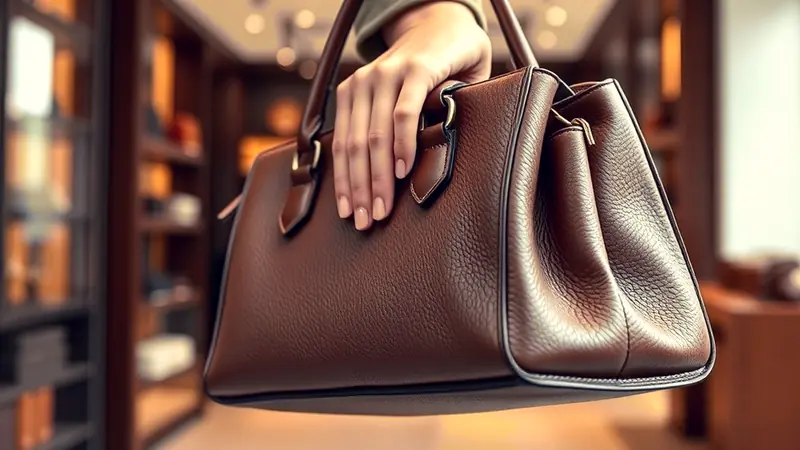
Zurich's climb has been swift and decisive: the city gained three positions in the ranking, overtaking historically dominant hubs such as Hong Kong and London. Behind this leap lies the extraordinary resilience of the Swiss franc, a currency that remains among the most solid and sought-after internationally, capable of conveying stability even during periods of heightened turbulence in global markets. The city center's residential real estate sector has established itself as one of the most dynamic segments worldwide, alongside growing demand for high-end bicycles, exclusive leather goods, and top-tier private healthcare services. Amid a geopolitical landscape marked by widespread uncertainty, Zurich positions itself as a symbol of value preservation and structural reliability — qualities that the luxury market consistently rewards.
The Global Luxury Market Shows No Sign of Slowing
Internationally, the sector of elite goods and services continues to show robust signs of expansion, with average price adjustments reaching roughly 10% year-on-year in US dollars, driven by persistent inflation and the currency fluctuations characterizing the current global economic climate. Against this backdrop, Singapore firmly holds the top position in the 2025 Julius Baer ranking, followed by London and Hong Kong, while Zurich consolidates its fifth place, gaining ground year after year.
Whether driven by regulatory efficiency and strong domestic demand, or by currency strength and financial stability, the message coming from international markets is unequivocal: genuine excellence continues to attract capital, high-net-worth individuals, and growing media attention. Two distinct ecosystems, two different approaches, one shared outcome: excellence remains a constantly evolving global competition, one where the rankings are reshuffled every year and no title is ever truly permanent.