Key Takeaways
- Production increase: +188,000 barrels per day starting in August, marking the fifth consecutive hike decided by OPEC+.
- Crude oil price: Brent crude falls below $72 a barrel, returning to levels seen before the Middle East conflict.
- Geopolitical backdrop: The partial reopening of the Strait of Hormuz and a memorandum of understanding between the United States and Iran are weighing on prices.
The cartel raises the bar once again
On Sunday, July 5, seven OPEC+ members – Saudi Arabia, Russia, Iraq, Kuwait, Kazakhstan, Algeria, and Oman – met via video conference and wrapped up talks with a decision that came as little surprise: total output will rise by 188,000 barrels per day starting in August. It marks the fifth consecutive monthly increase, part of a trajectory rooted in the gradual unwinding of voluntary cuts first announced in April 2023. The official narrative points to supporting stability in global energy markets, but the numbers tell a more complicated story.

Brent slides as the move proves more symbolic than substantial
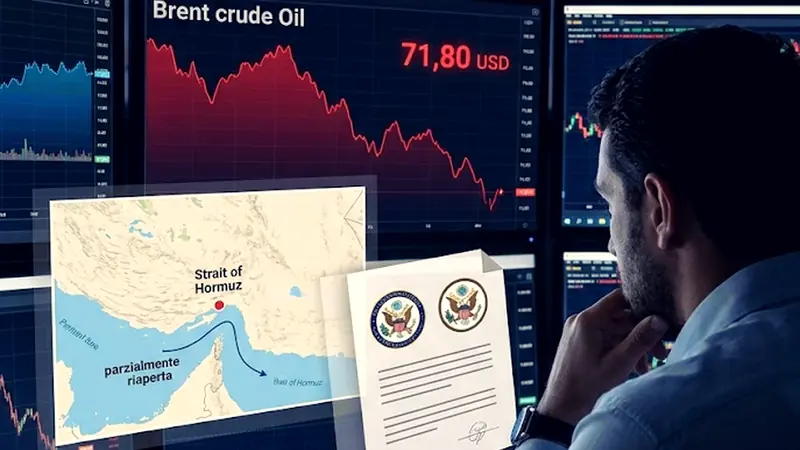
The backdrop against which this decision was made is far from favorable for oil sellers: Brent crude has dropped below $72 a barrel, pushing prices back to levels last seen before the Middle East conflict. Weighing on the market are the partial reopening of the Strait of Hormuz and a memorandum of understanding signed between the United States and Iran—two developments that have eased tensions in energy markets. Against this backdrop, the production increase carries more symbolic weight than practical impact: facilities remain damaged, traffic through the strait is far from back to normal, and the real availability of additional crude remains uncertain.
An image-boosting move following the UAE's exit
The decision also comes at a moment when the United Arab Emirates has formalized its departure from OPEC+, a shift that reshapes the cartel's internal balance. The seven remaining producers have nonetheless reaffirmed their flexibility, leaving the door open to adjust plans depending on how the market evolves. The next meeting is set for August 2, when it will become clear whether the strategy of continuous output hikes will hold steady or hit the brakes.