Key Takeaways
- A shocking capital gap: Francophone Africa captured only 8% of the total value of continental private equity transactions between 2012 and 2024.
- The Anglophone monopoly: Nigeria, Kenya, and South Africa alone absorbed nearly three-quarters of all funding to African startups back in 2019.
- The exception that proves the rule: Ecobank, a banking group headquartered in Togo, remains the only true pan-African champion to emerge from the Francophone bloc.
A one-way march westward
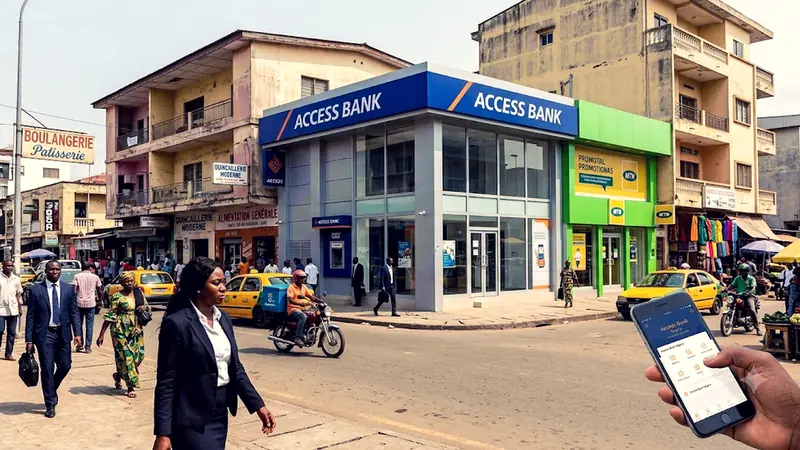
The major banks, fintechs, and tech companies from Anglophone countries show no signs of slowing down. They advance methodically westward, claiming ground in Francophone African markets with the ease of players who arrive already battle-tested, backed by products proven at scale and seasoned teams. The list is long and speaks for itself: GTBank, Zenith Bank, Access Bank in banking; Flutterwave and NALA in fintech. Companies that crossed the language barrier and established dominance with relatively little friction.

Three divides, one truth
Behind this imbalance lies no coincidence, but thirty years of structural gaps that have settled into place: capital, product infrastructure, and the dominant narrative of African business itself. A Francophone startup attempting to break into Lagos runs headfirst into a market that's already saturated, hyper-competitive, and locked down. Even the storytelling around African entrepreneurship travels in English: conferences, trade press, investor networks. Francophone founders are forced to operate within a system that was never built with them in mind.
The champion that isn't (yet)
Ecobank remains the sole solid precedent, but it's a legacy bank, not a company of the new digital economy: an exception, not the rule. The question left on the table isn't whether Francophone Africa can produce its next continental champion, but what it will actually take to close these accumulated gaps and finally make possible what has, until now, been missing.