Key Takeaways
- Ecological collapse: 23% of the Amazon's surface area has already lost ecological connectivity, with deforestation exceeding 17%.
- Critical threshold: a study published in Nature in May 2026 estimates that with deforestation at 22-28% and a temperature rise of 1.5-1.9°C, two-thirds of the forest face systemic collapse.
- Negotiation deadlock: COP16 in Cali closed without consensus, with over 500 key biodiversity areas threatened by oil and gas expansion.
A Point of No Return for the Amazon
The Amazon rainforest has already lost ecological connectivity across 23% of its territory. The figure emerged from negotiations at COP16, held in Cali at coordinates 4.5709, -74.2973, where scientists and environmental organizations raised the alarm over the ecosystem's systemic collapse.
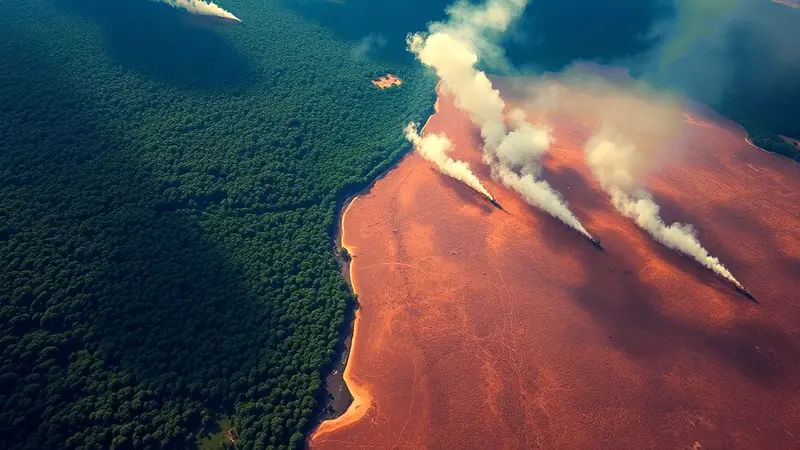
Deforestation now exceeds 17%, compounding the effects of rising global temperatures. A study published in Nature in May 2026 quantifies the risk: with deforestation between 22% and 28% and warming of 1.5-1.9°C, up to two-thirds of the forest could suffer irreversible ecological collapse. The expansion of oil and gas projects threatens over 500 key biodiversity areas, overlapping with indigenous territories and accelerating fragmentation.
Negotiations Without Resolution
COP16 concluded without full consensus. Crucial issues remain unresolved, postponed to future meetings. The failure to secure promised financial resources has weakened the strength of the agreements reached.
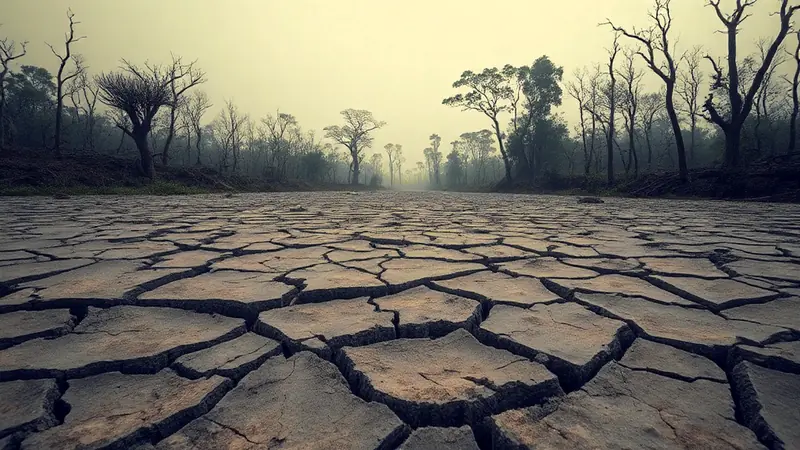
A collapsing Amazon would release massive volumes of stored carbon, with direct effects on rainfall patterns across South America and on global climate stability. Ministers gathered in Cali described the climate crisis and biodiversity loss as interconnected phenomena, warning that managing them separately risks permanently compromising the ecosystem's balance.